

Natural Flu Remedies for Children: A Parent's Complete Guide to Kitchen Medicine


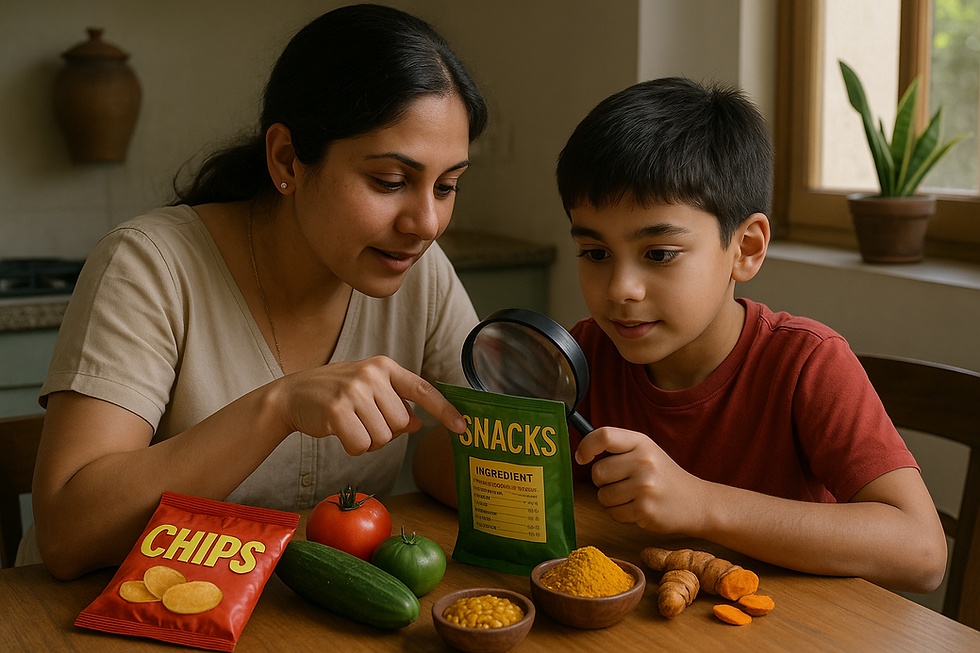
As flu season arrives, you're probably searching for ways to help your child feel better naturally. The good news is that your kitchen contains several scientifically-backed remedies that can provide real comfort and support during illness.
Short on time? Download our one-pager quick reference guide at the end of the article for instant access to the most effective home treatments with safe dosages and preparation tips.
For families with young readers: We've also included a delightful children's story called "Ayyo Kashaya" in our story corner. This engaging tale helps kids understand why kitchen medicine can be helpful and makes the healing process more fun and less scary for little ones.
These gentle natural flu remedies work alongside proper medical care, never replacing it. Always contact pediatric health experts when symptoms are severe or worsen.
What Are the Best Natural Flu Remedies for Children?
Your kitchen pharmacy offers surprising healing power. Research shows several common ingredients can effectively soothe flu symptoms in kids when used correctly.
These home approaches complement conventional medicine by supporting your child's immune system and providing symptom relief. The key is knowing which remedies work and how to use them safely.
How Does Honey Soothe Children's Cough and Cold Symptoms?

Honey stands out as one of the most researched home remedies for respiratory symptoms. Multiple studies prove that honey works as well as over-the-counter cough medicines for reducing nighttime cough and improving sleep.
How it works: Honey's thick texture coats the throat, creating a protective barrier that reduces irritation. Its natural antimicrobial properties also help fight infection.
Safe usage: Give 1/2 to 1 teaspoon before bedtime for children over 12 months. Never give honey to babies under one year due to the risk.
Why Is Ginger So Effective for Kids with the Flu?

Ginger contains powerful compounds called gingerols with proven anti-inflammatory and antiviral effects. Research demonstrates that ginger can reduce nausea, decrease inflammation, and boost immune function.
How it works: Gingerols stop inflammatory chemicals from forming and may interfere with virus reproduction.
Safe usage: Make gentle ginger tea by steeping fresh ginger slices in warm water. Add grated ginger to soups and broths. Start with small amounts to test your child's tolerance.
Which Common Spices and Herbs Help Sick Children?
Several everyday ingredients transform into powerful healing tools when flu strikes. These home remedies have centuries of traditional use backed by modern science.
Can Garlic Really Boost Your Child's Immune System?

Garlic has earned its reputation as one of nature's antibiotics. The compound allicin, released when garlic is crushed, provides antimicrobial, antiviral, and immune-boosting benefits.
How it works: Allicin and sulfur compounds stimulate immune cell activity, helping your child's body fight infections more effectively.
Safe usage: Add fresh, minced garlic to soups and stews. Let crushed garlic sit for 10 minutes before cooking to maximize allicin production.
What Makes Turmeric So Healing for Kids?

Turmeric contains curcumin, offering potent anti-inflammatory and antioxidant properties. Research suggests curcumin may reduce respiratory tract inflammation and support immune function.
How it works: Curcumin blocks inflammatory pathways and helps regulate immune responses.
Safe usage: Add turmeric to warm milk (golden milk), soups, or rice dishes. Combine with black pepper to improve absorption.
Traditional Remedies That Science Actually Supports
Some old-fashioned treatments have genuine scientific backing. These time-tested approaches provide measurable benefits beyond comfort.
Does Chicken Soup Really Help Sick Kids?

Chicken soup offers more than psychological comfort. Studies show it can reduce neutrophil migration, potentially decreasing upper respiratory tract inflammation.
How it works: The combination of warm liquid, steam, and nutrients aids hydration while specific compounds provide mild anti-inflammatory effects.
Preparation tip: Include plenty of vegetables, garlic, and herbs for maximum benefit. The steam alone helps clear nasal passages.
What's Special About Elderberries for Children's Health?

Elderberries contain anthocyanins and compounds that research suggests may reduce flu symptom duration and severity. Several studies show elderberry extract can shorten illness by 2-4 days.
How it works: Elderberry compounds may interfere with viral multiplication and boost immune activity.
Safe usage: Use only commercially prepared elderberry syrups or supplements, as raw elderberries can be toxic. Follow package directions carefully.
How Do Common Fruits Support Recovery?

While vitamin C won't prevent colds as once believed, adequate intake supports immune function and may slightly reduce symptom duration. Citrus fruits also provide essential hydration and beneficial plant compounds.
How it works: Vitamin C supports various immune functions and acts as an antioxidant, protecting cells from damage.
Serving suggestions: Include oranges, lemons, and grapefruits in your child's diet. Warm lemon water with honey soothes sore throats particularly well.
Are Cloves Safe for Sick Children?

Cloves contain eugenol, a compound with antimicrobial and anti-inflammatory properties that may help fight respiratory infections. However, cloves require extreme caution when considering them for children's treatment.
How it works: Eugenol provides antimicrobial effects and may help reduce inflammation in respiratory tissues.
Critical safety warning: Clove oil is unsafe for children and can cause severe side effects, including seizures, liver damage, and fluid imbalances. Even small amounts can be toxic to children. Only food-grade amounts in cooking are considered safe.
Safe usage: Use only whole cloves in small amounts when cooking soups or teas for children over 2 years. Cloves can be safely added to kadha (traditional herbal decoction) or while boiling water, using just 1-2 whole cloves. For kadha, combine with other safe spices like ginger or cinnamon. Never give clove oil or concentrated clove products to children. Always consult your pediatrician before using clove medicinally.
Can Green Tea Help Children Recover Faster?

Green tea contains catechins, especially EGCG (epigallocatechin gallate), which laboratory studies show have antiviral and immune-supporting properties.
How it works: Catechins may interfere with viral multiplication and support immune cell function.
Preparation notes: Brew at lower temperatures (160-180°F) to preserve beneficial compounds. Monitor caffeine intake in children.
Practical Tips for Using Home Remedies with Children
Strategy | Benefit | Age Considerations | Safety Notes |
Combine ingredients | Enhanced effectiveness | Honey-ginger tea for 1+ years | Never mix clove oil with other remedies |
Focus on hydration | Crucial for recovery | All ages with appropriate fluids | Monitor fluid intake carefully |
Start early treatment | Maximum benefit | At first symptom appearance | Cloves only in cooking amounts for 2+ years |
Use quality ingredients | Better potency | Fresh, organic when possible | Avoid concentrated oils in children |
When Home Treatments Need Medical Attention
While these kitchen remedies provide comfort and support, seek immediate medical care if your child experiences:
Fever (over 100°F in infants under 3 months, over 102°F in older children)
Fever lasting more than 3 days
Difficulty breathing or rapid breathing
Signs of dehydration, poor oral intake
Severe headache, neck stiffness, or confusion
According to the CDC's guidelines on childhood illness, early medical intervention prevents serious complications.
Key Takeaways: Kitchen Medicine for Children's Flu
Your kitchen contains a valuable collection of healing ingredients that science supports. These home treatments provide comfort, support immune function, and may reduce symptom severity when used properly.
Remember that the most effective approach combines kitchen remedies with proper medical care, good hygiene, adequate sleep, balanced nutrition, and current vaccinations.
For more guidance on supporting your child's health naturally, explore our child development tips and discover additional wellness strategies.
Bottom Line
Kitchen medicine offers genuine benefits backed by scientific research for children with the flu. While these gentle treatments support healing and provide comfort, they work best as part of comprehensive care that includes medical guidance when needed. Start with prevention, act early with symptoms, and always prioritize your child's safety with age-appropriate remedies and professional medical advice for serious concerns.
References:
Cohen, H. A., et al. (2012). Effect of honey on nocturnal cough and sleep quality. Pediatrics, 130(3), 465-471.
Bode, A. M., & Dong, Z. (2011). The amazing and mighty ginger. Herbal Medicine: Biomolecular and Clinical Aspects.
Arreola, R., et al. (2015). Immunomodulation and anti-inflammatory effects of garlic compounds. Journal of Immunology Research.
Hawkins, J., et al. (2019). Black elderberry supplementation effectively treats upper respiratory symptoms. Complementary Therapies in Medicine, 42, 361-365.



soicauxsmb.com hôm trước mình lướt thấy ai đó nhắc nên tiện tay mở thử trên điện thoại xem giao diện ra sao. Không đọc kỹ nội dung lắm, chủ yếu nhìn cách họ sắp xếp thôi. Cảm giác đầu tiên là trang nhìn khá “dễ thở”, không bị nhồi chữ hay màu mè quá. Mình để ý họ chia thông tin theo từng khối rõ ràng nên kéo xuống vẫn biết mình đang ở đoạn nào, kiểu nhìn lướt cũng bắt được ý chính. Với lại menu đặt ngay chỗ dễ thấy nên chuyển qua lại không phải mò, bấm cái là tới. Nói chung dùng vài phút thấy ổn, nhất là phần bố cục dạng khối và cột nhìn…
sunwin mình vừa lướt thử vì thấy bạn bè nhắc hoài, kiểu vào xem cho biết thôi chứ không định chơi gì. Ấn tượng đầu là trang nhìn gọn, nội dung chia theo từng khối nên mắt bắt được nhanh, không bị rối như mấy site nhồi chữ. Mình dùng điện thoại là chính, thấy cuộn trang với chuyển mục khá mượt, chắc họ có tối ưu giao diện như họ hay nói. Cũng thấy họ nhắc nhiều về hệ sinh thái trò chơi phong phú, nhưng mình chỉ xem cách họ trình bày thông tin thôi. Mấy tiêu đề đặt rõ ràng, các ô nội dung căn thẳng hàng nên lướt một vòng là hiểu bố cục ngay, nhất…
https://soicau247.com/ hôm bữa mình thấy bạn bè nói qua nên ghé thử cho biết, kiểu vào xem giao diện thôi chứ không ngồi đọc kỹ. Lướt một vòng thấy trang chia nội dung theo khối khá rõ, kéo xuống không bị ngợp. Mình để ý mấy phần kết quả với thống kê được trình bày dạng bảng/cột nhìn gọn, liếc cái là hiểu đang nói gì. Có mấy mục dự đoán 3 miền cập nhật theo ngày nên nhìn cũng tiện, khỏi phải mò lâu. Nói chung cảm giác dùng nhanh, bấm qua lại không rối vì thanh menu và các tiêu đề như “kết quả” hay “soi cầu” được đặt nổi bật ngay trên trang.
tỷ lệ kèo nhà cái mình thấy mọi người nhắc hoài nên cũng ghé xem thử cho biết. Mình không phải kiểu ngồi phân tích kèo này kèo kia đâu, chỉ tò mò xem họ trình bày có dễ theo dõi không. Vào cái là thấy bảng kèo bóng đá trực tuyến dạng bảng theo trận trong ngày, có cột giờ thi đấu với phần cả trận hiệp 1 tách riêng nên lướt một vòng là nắm được. Mình thích kiểu cập nhật liên tục nên nhìn không bị “cũ” như mấy trang khác. Ngoài bảng kèo thì có bài giải thích “kèo nhà cái là gì” đọc nhanh cũng hiểu được khái niệm cơ bản, không cần biết nhiều…